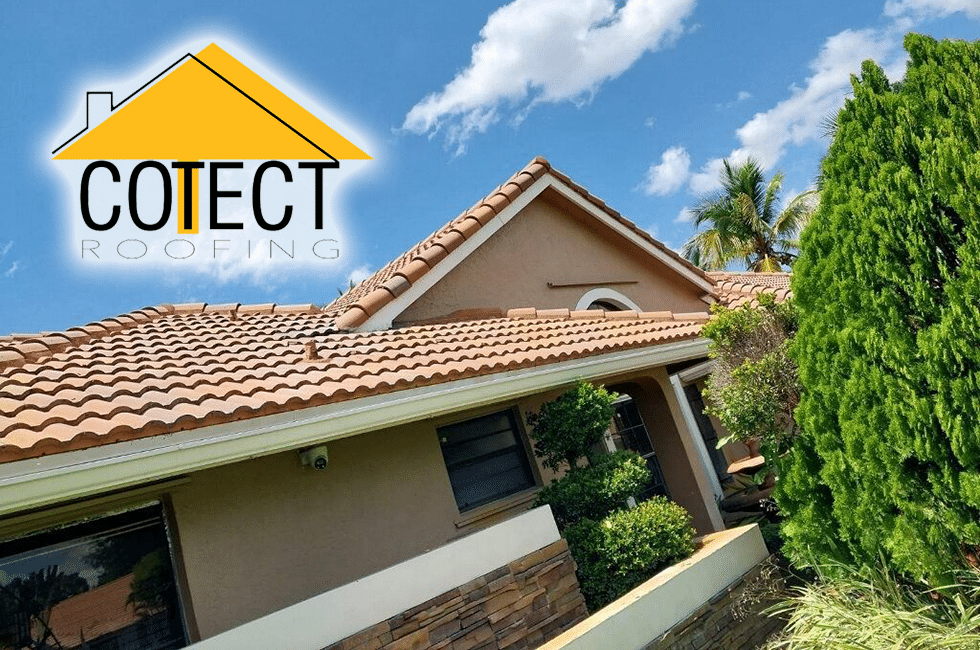
Your roof is one of the most important — and most tested — parts of your South Florida home. Between hurricane season, relentless sun, salt air, and the strictest building codes in the country, roofing here isn’t like roofing anywhere else. This guide covers what every Broward, Miami-Dade, and Palm Beach homeowner should understand about roofing in South Florida, with links to in-depth guides on each topic. Whether you’re planning a new roof, dealing with a problem, or just want to protect your investment, start here.
Two things set our region apart. First, Miami-Dade and Broward counties sit in Florida’s High-Velocity Hurricane Zone (HVHZ) — the strictest wind and building-product standards in the United States, created after Hurricane Andrew. Every roofing product here must carry a current Miami-Dade NOA (Notice of Acceptance) or an HVHZ-approved Florida Product Approval, and all work must be permitted and inspected. Palm Beach County isn’t in the HVHZ but still enforces high-wind standards.
Second, our climate is brutal on roofs: hurricane-force winds, wind-driven rain, intense year-round UV, high humidity, and salt air near the coast all shorten roof life and expose weak points. Understanding these realities is the foundation of every good roofing decision here.
Choosing the right material is the biggest decision you’ll make. Here’s a quick overview of the main options:
Tile is the classic South Florida look and one of the most durable choices, standing up to hurricanes, fire, and salt air for decades. Concrete tile is the more budget-friendly of the two. Learn more in our guide to concrete tile roofs in South Florida.
Metal roofing has surged in popularity for its hurricane resistance (properly installed standing seam can be rated for 140+ mph), long lifespan (40–70 years), and energy efficiency. It’s lighter than tile and highly reflective. See our guide to metal roof installation in South Florida.
The most affordable and common option, though our UV and heat typically limit asphalt shingles to about 15–20 years of useful life — less than tile or metal. Impact-resistant shingles are worth considering for storm exposure.
Many South Florida homes and additions have flat or low-slope roof sections that use membrane systems. These require careful attention to drainage to prevent ponding water.
For how your material choice affects your energy bills, see our guide to energy-efficient roofing in South Florida.
South Florida roofs face a specific set of issues: leaks from wind-driven rain, hurricane and wind damage, cracked or slipped tiles, worn flashing, ponding on flat roofs, algae streaking, poor attic ventilation, and clogged gutters. Catching these early is far cheaper than fixing the damage they cause. Our guide to common roofing problems in South Florida breaks down each one and how to address it.
Almost every major roof failure starts as something small. Regular maintenance and inspections — at least once a year, plus after any named storm — keep minor issues from becoming expensive ones, extend your roof’s life, and create the documentation your insurer wants. Learn what maintenance includes and how often you need it in our guide to regular roof maintenance.
In the HVHZ, roof work must be permitted and inspected, and every product must carry the proper HVHZ approval. A dry-in inspection happens before the roof covering goes on, and a final inspection at the end — and you should always confirm your permit is closed, not just issued. Skipping permits causes problems at sale time and with insurance claims. A licensed contractor handles all of this for you.
In today’s market, your roof’s age and condition directly affect whether you can keep homeowners insurance. Under Florida Statute 627.7011, insurers can’t drop you solely because your roof is under 15 years old; once it passes 15, a certified inspection showing at least five years of remaining useful life can preserve coverage. A wind mitigation inspection can also earn premium credits, and features like a sealed roof deck help. Older roofs risk being shifted to actual-cash-value coverage or non-renewed. Documented maintenance is your best protection — always confirm specifics with your insurance agent.
Not every problem means a new roof. Small, localized issues are often simple repairs, while an aging or widely damaged roof may be better replaced. Age is a factor: asphalt shingles typically last 15–20 years here, while tile and metal last much longer. The only way to know for sure is a professional inspection that assesses your roof’s condition and remaining useful life.
The contractor matters as much as the material. Verify a Florida license (you can check any contractor free at MyFloridaLicense.com), confirm they carry liability and workers’ compensation insurance, make sure they know HVHZ code and pull permits, and watch for red flags — especially post-storm door-knockers and anyone offering to “waive your deductible,” which is illegal in Florida. Our full guide to choosing a roofing contractor in South Florida walks through exactly what to look for.
With the AC running most of the year, your roof has a big impact on your cooling bills. Reflective “cool” roofs can cut cooling load by roughly 10–25%, and options like reflective metal, cool-rated tile, cool coatings, and solar make a real difference here. See our guide to energy-efficient roofing for the options that save the most.
What roofing material is best for South Florida?
There’s no single best — it depends on your home, budget, and priorities. Tile offers the classic look and great durability, metal offers top wind resistance and energy efficiency with a long lifespan, and asphalt shingle is the most affordable. A professional can help you weigh them for your home.
Do I need a permit to work on my roof in South Florida?
Yes. In Miami-Dade and Broward’s High-Velocity Hurricane Zone, roof replacements and most meaningful repairs must be permitted and inspected, using products with proper approvals.
How does my roof affect my home insurance?
Significantly. Roof age and condition are now major factors in whether you can keep coverage, and features like a wind mitigation inspection can lower your premium. Keeping your roof maintained and documented protects your insurability.
How often should I have my roof inspected?
At least once a year, plus after any named storm — and annually once your roof passes 15 years old, when insurance scrutiny increases.
Should I repair or replace my roof?
It depends on the age and extent of the damage. A professional inspection will tell you how much useful life your roof has left and which option makes the most financial sense.
Cotect Roofing has been in the roofing industry since 1992 — a family-owned, licensed Florida roofing contractor (LIC# CCC1333250) serving Broward, Miami-Dade, and Palm Beach. We know South Florida’s codes, climate, and insurance landscape inside and out, and we’re here to help you make the right call for your home.
Call (954) 773-5205 or contact us for a free, no-pressure consultation.